Skip to content

Indie iOS Developer

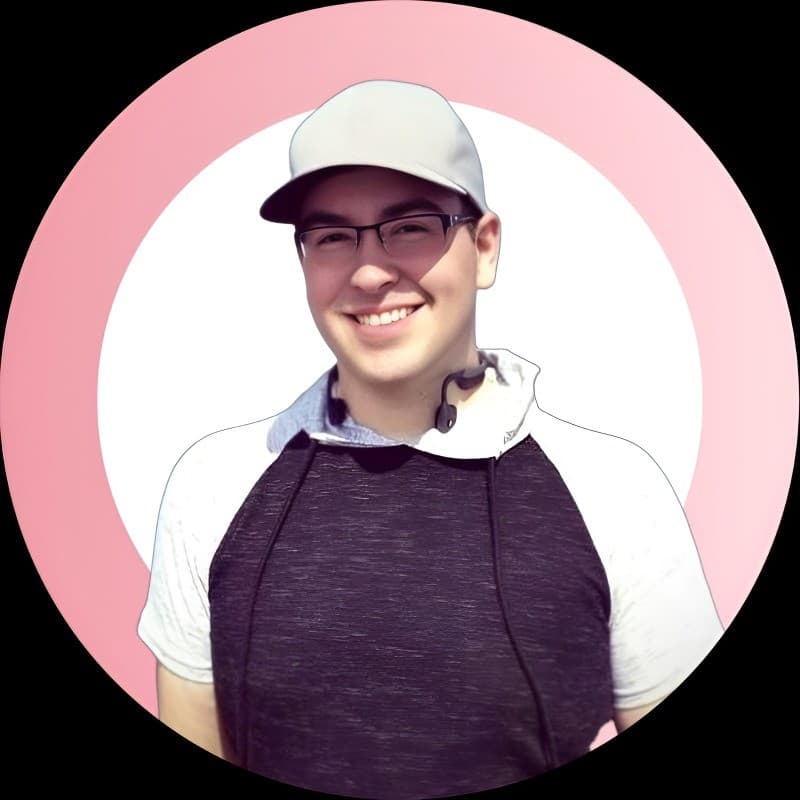
Hi, I'm Tylor. I build apps for the people mainstream software leaves behind.

I'm an independent iOS developer focused on communities that most app studios treat as an afterthought — seniors who need larger text and calmer interfaces, pet professionals running their business from a phone, and people managing chronic illness who need a task manager that works with their energy, not against it.

Accessibility isn't the last checkbox for me. It's where every project starts.

Tylor Mayfield – accessible iOS developer

What “accessibility-first” actually means in practice

Most software adds accessibility support at the end, when it's expensive to change anything. Starting with it means the whole product is better — for everyone.

Accessibility is the starting point

WCAG compliance, high contrast, large touch targets, and screen reader support aren't features added at the end — they shape every decision from the first sketch.

Built for people mainstream software overlooks

Seniors who need larger text, pet professionals working one-handed in the field, people pacing themselves through chronic illness — these are real audiences with real needs that deserve great software.

Free because it should be

Every app in this studio is free to download. The communities these apps serve shouldn't have to pay a premium just to have software that actually works for them.

Why I build what I build

DokuDoku started when I noticed that most Sudoku apps are designed for young eyes on small screens. Tiny grids, subtle contrast, no thought given to someone who needs larger text or struggles with fine motor precision. I wanted to see what a puzzle game looked like if you genuinely designed it for seniors and low-vision players from the very first sketch.

BarkOnTrack and PuppyOnTrack came from conversations with pet professionals and new puppy owners. Pet sitters, dog walkers, and daycare operators were running their entire businesses through spreadsheets and group chats — not because they hadn't tried apps, but because every app they found was built for desk workers, not people moving between clients all day.

SpoonDo grew out of something more personal — the experience of watching someone I care about try to manage their energy with tools that weren't built for how their days actually feel. Standard productivity apps assume you have the same capacity every day. Spoon Theory starts from the truth that you don't.

Each of these apps exists because a real group of people deserves software that takes them seriously. That's the only brief I work from.

Four apps. Four underserved audiences.

Each app in this studio exists because a group of real people needed software that was built with them in mind from the start — not adapted for them after the fact.

Principles that shape every decision

Accessibility-first iOS development

Every app starts with WCAG guidelines, not as a compliance checklist but as a design philosophy. High contrast, dynamic type support, VoiceOver compatibility, and generous touch targets are baked in from day one.

One-handed, in-the-field UX

BarkOnTrack and PuppyOnTrack are designed knowing they'll be used with one hand, sometimes in a dog's backyard. Layouts that require two hands or careful tapping are a failure mode, not an edge case.

No dark patterns, no pressure

No countdown timers. No manipulative upsells. No engagement loops. Apps that serve people managing fatigue, low vision, or a busy field schedule shouldn't add cognitive load — they should remove it.

Have an idea, a question, or a story to share?

If one of these apps resonates with you, or if you're building something for an audience that's been overlooked, I'd genuinely love to hear from you.

Say hello